Toyota Fuels US Growth with Ten Billion Investment in Battery Production

Shifting Gears in U.S. Manufacturing: Toyota’s Bold Move
In an era defined by transformative change in manufacturing and energy, Toyota’s recent announcement of a new battery plant in North Carolina paired with a massive $10 billion commitment to U.S. investments stands as a significant pivot in the automotive and energy landscape. This strategic move, which marks the company’s first battery plant outside Japan, is not just about boosting production—it is also about steering the future direction of mobility in a country that has long been a beacon for innovative manufacturing practices.
With nearly 70 years of operations in the U.S. now amounting to close to $60 billion in investments, Toyota’s renewed push represents more than just a financial infusion—it is a clear signal that traditional automotive giants are embracing the electric vehicle revolution with full force. This editorial takes a closer look at Toyota’s ambitious investment, the potential impacts on local communities and the automotive sector, and the fine points that highlight both the opportunities and the tricky parts of this bold undertaking.
Toyota’s Battery Plant in North Carolina: A New Chapter in U.S. Production
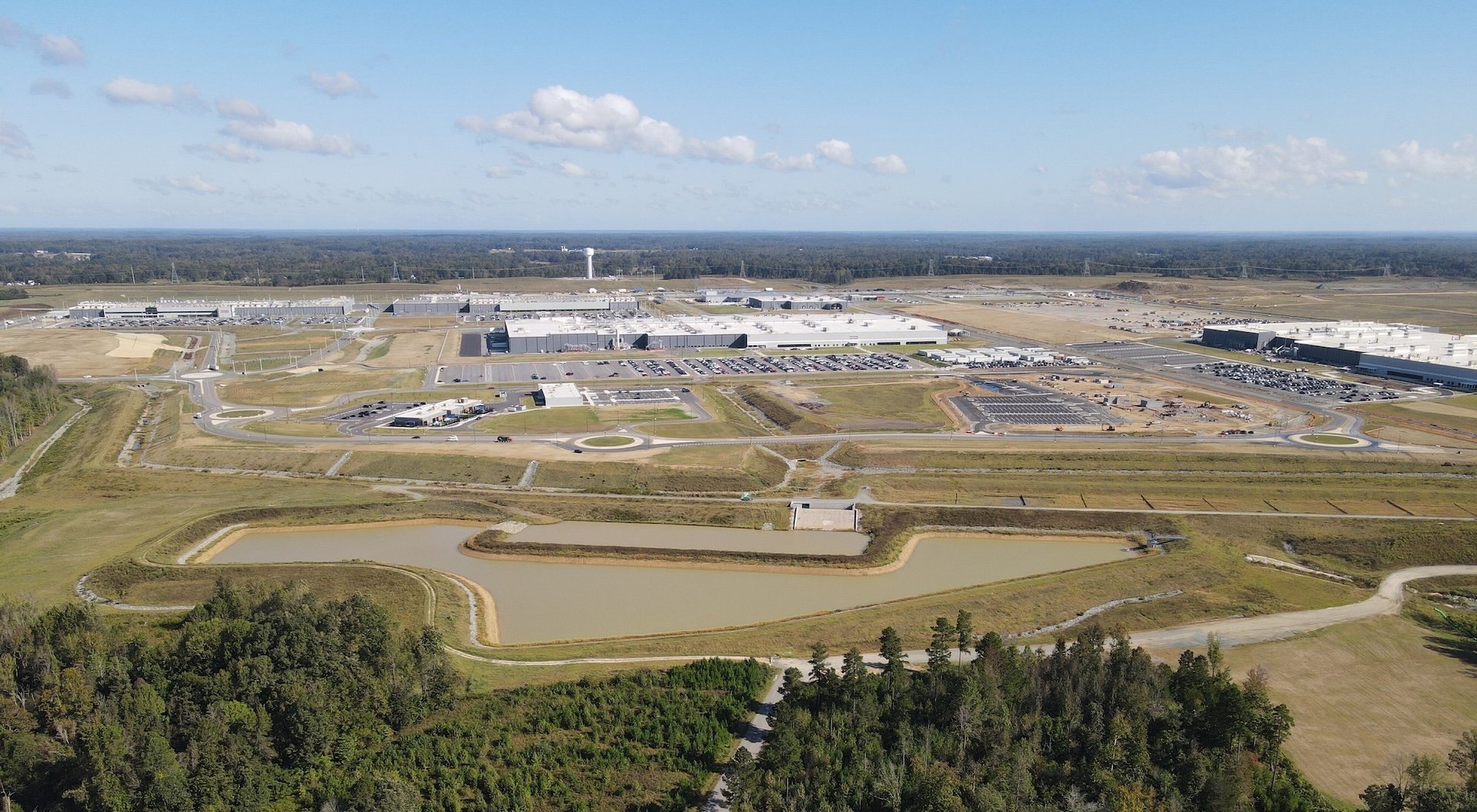
The launch of the battery plant in Liberty, North Carolina, is a pivotal moment not only for Toyota but also for the regional manufacturing sector. The plant, sprawling over 1,850 acres with a capacity to produce 30 GWh annually at full throttle, will serve as a central hub for the production of advanced lithium-ion batteries, which are the heart and soul of today’s electric vehicles.
Historically, Toyota has relied on production facilities in Japan to meet global battery demands. Now, with the inauguration of this U.S. plant, there is an obvious shift in strategy—a move towards decentralizing production and positioning the United States as a critical node in the global supply chain. This development is especially significant given ongoing supply chain disruptions and trade uncertainties that have, at times, made sourcing components more challenging across continents.
The plant’s production lines are designed to accommodate a wide spectrum of electric vehicles: hybrid electric vehicles (HEVs), battery electric vehicles (BEVs), and plug-in hybrid electric vehicles (PHEVs). This versatility demonstrates Toyota’s intent to capture multiple segments within the automotive market. Among the first models to benefit from this new venture will be stalwarts like the Camry HEV, Corolla Cross HEV, and RAV4 HEV, along with an upcoming three-row all-electric vehicle that promises to set new standards in family mobility.
Electrification: Navigating the Future of Auto Manufacturing
The move towards electrification in the automotive sector is not without its complicated pieces. With the global push towards cleaner energy, coupled with government initiatives aimed at reducing carbon emissions, carmakers like Toyota are facing a mix of exciting opportunities and some intimidating challenges. The decision to significantly invest in electric vehicle battery production highlights Toyota’s acknowledgment of these twists and turns.
Here are some key advantages and potential challenges associated with this shift:
- Advantages: Enhanced domestic production capabilities, reduced supply chain dependency, and the ability to better meet U.S. regulatory requirements.
- Challenges: Managing the transition from traditional to electric vehicle powertrains, handling the demands of rapid technological change, and addressing the delicate balance between innovation and cost.
By building a state-of-the-art facility in North Carolina, Toyota is laying the groundwork to address these issues head-on. The diverse range of vehicles that will benefit from these batteries underscores the company’s commitment to offering a broad portfolio of solutions, thus not only nurturing progress in sustainable transportation but also finding creative ways to meet the public’s growing demand for new energy vehicles.
Local Economic Impacts: Revitalizing Communities and Creating Jobs
One of the more immediate and visible benefits of Toyota’s announcement is the positive economic impact on local communities, particularly in the Piedmont Triad region of North Carolina. The construction and operation of such a massive facility are expected to create thousands of well-paying jobs, significantly boosting the local economy.
Community revitalization is a key component of Toyota’s U.S. investment narrative. Beyond job creation, the battery plant will bring additional support to local suppliers and service providers, generating a ripple effect through the regional economy. The presence of a major manufacturing plant also tends to attract further investments in infrastructure, educational initiatives, and community services.
Additionally, the initiative by Toyota USA Foundation in the second phase of its “Driving Possibilities” program, which allocated an extra $2.7 million to local educational bodies, underscores the company’s commitment to nurturing the next generation of skilled workers. This investment in education is not just a feel-good gesture—it is a long-term strategy to create a pipeline of talent that is well-equipped to tackle the future’s technical demands.
Combining industrial growth with educational support ensures that local communities are not left behind in the transformative journey automotive manufacturing is currently undergoing. By fostering partnerships with local school districts, Toyota is working to instill innovation and creativity in students, aligning educational curricula with the practical demands of a high-tech manufacturing environment.
Economic and Political Implications: Balancing Investment with Regulation
Toyota’s announcement arrives against the backdrop of vigorous economic debates and regulatory discussions in Washington, D.C. With President Trump’s administration having previously endorsed reshoring strategies and increased domestic production, there is a measurable sense of political momentum behind initiatives like this battery plant. U.S. policymakers see such investments as key drivers for economic revival and technological leadership.
Secretary of Transportation Sean Duffy’s enthusiastic support for the project points to a future where regulatory frameworks may be adjusted to better facilitate the shift towards sustainable energy vehicles. Duffy’s comments hint at upcoming governmental announcements that could effectively lower the cost structure for automakers by introducing more reasonable fuel efficiency standards. This, in turn, could make American-made vehicles even more attractive to consumers, potentially reducing the overall cost and making clean technology more accessible.
However, it is not all smooth sailing. There are still tangled issues regarding how federal and state policies will evolve to keep pace with rapid technological advancements. The balance between nurturing domestic growth and imposing stringent regulations is a fine line to tread. Companies such as Toyota must constantly steer through the little twists and turns of regulatory challenges while also ensuring that they remain competitive in a fiercely innovative global market.
A Deep Dive into Advanced Battery Production and Technology
The technical aspects of setting up a cutting-edge battery plant are full of tricky parts and subtle details that many might overlook. Modern battery production is a sophisticated process that requires not only high precision but also a mastery over the evolving technologies that are at the forefront of the energy revolution. The Liberty facility aims to become a nexus of innovation, where traditional manufacturing intersects with advanced battery technology.
The plant’s infrastructure is designed to support 14 distinct production lines. Each production line is dedicated to producing batteries that cater to different vehicle types by leveraging lithium-ion technology. Here are some aspects of this technology and production process:
- Automation and Robotics: To achieve both efficiency and high quality, the facility integrates advanced robotics in the battery assembly lines, ensuring that the production process is both expeditious and precise.
- Energy Efficiency: The manufacturing process itself is being reimagined to reduce waste and lower energy consumption, aligning with Toyota’s overall goal of sustainability.
- Quality Control: The facility employs cutting-edge monitoring systems that can catch even the subtle parts of quality drops, making sure that every battery produced can stand up to the rigorous demands of electric vehicles.
This innovative approach not only benefits Toyota but also has broader implications for the entire battery production landscape in the United States and abroad. By investing in new capacities and technologies, the company is also helping to drive down production costs and evolving industry standards to make emerging electric vehicle platforms more mainstream.
Integrating Supply Chain Efficiencies: A Game-Changer for U.S. Auto Production
One significant benefit of localizing battery production is the potential improvement in supply chain efficiencies. The recent disruptions in global supply chains have left many companies grappling with unexpected delays and escalating costs. By manufacturing advanced batteries on American soil, Toyota intends to minimize these challenges and create a more resilient logistical network.
The benefits of a localized supply chain extend to several areas:
- Reduced Lead Times: By cutting down on international shipping and import delays, production cycles can be significantly accelerated.
- Cost Savings: Minimizing overseas logistical challenges leads to a reduction in overall production costs, passing on savings to consumers in the form of more competitively priced vehicles.
- Improved Quality Control: With the production process closer to home, Toyota can more effectively supervise operations and quickly address any issues that arise in the manufacturing process.
The choice to invest in domestic manufacturing demonstrates a clear commitment to overcoming puzzling bits in the traditional, and sometimes convoluted, global supply chain. Additionally, this move is likely to spark increased competition among suppliers, further driving innovation and cost-effectiveness in the U.S. auto manufacturing sector.
Community Partnerships and Educational Outreach: Investing in Tomorrow
Another noteworthy aspect of Toyota’s announcement is its parallel investment in education. The “Driving Possibilities” initiative, now expanding in Guilford County Schools and the Asheboro City School District, is a prime example of corporate social responsibility that goes beyond traditional manufacturing metrics. With an additional $2.7 million in grants, the company is actively investing in programs designed to bridge the gap between classroom learning and workforce development.
This initiative is focused on several key areas:
- Skill Development: Providing students with real-world insights into high-tech manufacturing, preparing them for future careers in automotive technology and engineering.
- Innovation in Education: Encouraging the integration of new technologies and innovative teaching methods into curricula that are directly aligned with industry needs.
- Community Enrichment: Ensuring that the benefits of technological investments extend beyond the factory floor and into the wider community, thus fostering an environment of inclusive growth.
Local stakeholders have welcomed the programs enthusiastically. Leaders like Wendy Poteat have highlighted that investments such as these can have a transformative effect on students and their families, equipping them with critical skills and exposure to cutting-edge technologies. In the long run, initiatives like “Driving Possibilities” are expected to reduce opportunity gaps and empower young people to take charge of their futures.
The Environmental Promise of U.S. Battery Production
Environmental concerns are central to the transformation in automotive manufacturing. The accompanying switch to electrification comes with the promise of less dependence on fossil fuels and a reduction in carbon emissions, a goal that is super important for communities both in the United States and globally. The new North Carolina plant is poised to be a forerunner in this regard, employing sustainable manufacturing practices while setting high benchmarks in energy efficiency.
Key environmental benefits include:
- Lower Carbon Footprint: By producing batteries locally for adjacent markets, transportation-related emissions can be sharply reduced.
- Efficient Energy Use: With ongoing innovations in the battery production process, the energy required for manufacturing each unit is steadily decreasing, thereby aligning production practices with green energy principles.
- Waste Minimization: Advanced recycling and waste management protocols help in reducing the environmental impact of large-scale battery production.
These eco-friendly practices ensure that Toyota’s efforts transcend mere production efficiency, instead embodying a broader commitment to environmental stewardship. In a world where climate change and environmental degradation are persistent global challenges, Toyota’s emphasis on sustainability reflects a thoughtful synthesis of modern manufacturing and environmental responsibility.
Market Trends and Competitive Dynamics: What This Investment Means for the Auto Industry
The automotive sector is at a crucial inflection point where traditional manufacturing meets the emerging demands of electric mobility. Toyota’s extensive investment in U.S. production facilities is an effort to remain competitive amidst a rapidly evolving market dynamic. With competitors like Stellantis setting ambitious goals for their EV sales volumes, Toyota’s move represents an effort to ensure it is not left behind in the race towards electrification.
Several market trends are intrinsic to this transition:
- Increasing Demand for EVs: Consumer interest in electric vehicles is rising due to improved efficiency, reduced maintenance costs, and an increasing awareness of environmental issues.
- Government Incentives: Policies aimed at encouraging green technology help to lower the initial investment barriers and make electric vehicles more accessible.
- Technological Disruption: Innovations in battery production and automotive design create opportunities for new market entrants, pushing established brands to innovate continually.
From an investor’s perspective, this increased production capability could signal a more predictable supply of advanced batteries that drive down costs and enhance profitability. With Toyota expecting a sizable share of its U.S. sales volume to be electric vehicles by 2030, these initiatives are shaping a technologically advanced and commercially competitive landscape. In essence, Toyota’s strategic investments are helping to level the playing field and stimulate healthy competition within the auto industry.
Strategic Partnerships and Supply Chain Collaboration in New Markets
Successfully implementing a project of this scale involves working through numerous little twists in the form of strategic partnerships and supply chain collaborations. Toyota’s investment goes beyond internal operational upgrades and is bolstered by collaborative efforts with local suppliers and government bodies. This comprehensive approach is essential to managing your way through the delicate parts of a complex production network that spans across multiple sectors.
Some examples of how strategic partnerships are critical include:
| Area of Collaboration | Potential Benefits |
|---|---|
| Local Supplier Networks | Reduced transportation costs, improved response times, and enhanced quality control |
| Government Initiatives | Potential tax incentives, streamlined regulations, and access to development grants |
| Educational Institutions | Development of a skilled workforce, research collaborations, and community outreach |
The table above summarizes the multi-layered approach Toyota is adopting to ensure that the plant is not just another manufacturing facility, but a transformative enterprise that brings together technology, community, sustainability, and economic growth. By forging strong alliances across different sectors, Toyota is effectively making sure that when it comes to supply chain management, every link in the chain is robust and ready to support future expansions.
Reflection on the U.S. Investment Landscape: Challenges and Opportunities
Synthesizing the rollout of Toyota’s new battery plant with its additional $10 billion investment reveals a broader narrative about the state of U.S. industrial production. On one hand, the move is a clear sign of confidence in the U.S. market, echoing a return to strong domestic production capabilities. On the other hand, it raises questions about how companies will successfully steer through the overwhelming regulatory and technological bits as global markets continue to evolve.
For industry leaders and investors alike, this development is a call to take a closer look at the following areas:
- Regulatory Environment: Monitoring upcoming governmental policies that may provide enhanced support for domestic manufacturing in exchange for more reasonable standards.
- Technological Advancements: Keeping an eye on innovations in battery technology that could further transform production processes and consumer expectations.
- Workforce Development: Investing in education and training to ensure that the pool of skilled labor is capable of handling advanced manufacturing technologies.
These are not mere fleeting concerns—they are real, tangible aspects of a sector that is simultaneously facing exciting opportunities and a fair share of tangled issues. As Toyota continues to invest and innovate, balancing these factors will be key to carving out a path that not only promises growth but also addresses the potential pitfalls head-on.
Spotlight on Future Mobility: Beyond Traditional Vehicle Production
Toyota’s robust investment in battery technology signals a shift in strategic focus towards future mobility. As the automotive industry steadily transforms its core focus from traditional combustion engines to electrified powertrains, manufacturers must now think beyond the conventional chassis and embrace a future where innovation defines success. This is a future marked by advanced connectivity, integrated digital services, and a seamless melding of mobility with sustainable practices.
The diversification of Toyota’s portfolio, which includes HEVs, BEVs, and PHEVs, is a testament to the company’s readiness to take on the challenges of this rapidly changing market. In doing so, the company is not merely reacting to current trends but is actively shaping what tomorrow’s transportation landscape will look like. This forward-thinking approach is set to resonate not only with established car enthusiasts but also with a new generation of consumers for whom sustainability and efficiency are non-negotiable.
Moreover, by investing in research and development alongside the new battery plant, Toyota is preparing to address the fine points of future mobility, including:
- Connectivity: Integrating advanced software and connectivity solutions to improve user experience and vehicle performance.
- Autonomous Driving: Continuing research in self-driving technology that could redefine personal and commercial transportation.
- Energy Management: Innovating in areas of battery life and charging infrastructure to ensure that electric vehicles remain competitive both in performance and convenience.
These areas are full of both potential and complicated pieces, requiring companies to get into the nitty-gritty of research, partnerships, and market restructuring. Toyota’s strategic move is a signal to the industry that the future of mobility will increasingly be defined by a blend of technological innovation, sustainable practices, and deep-rooted community engagement.
Long-Term Industry Implications: A New Paradigm for Automotive Giants
Looking further down the road, Toyota’s significant injection of capital into U.S. operations represents a paradigm shift. This move is likely to influence other global automotive giants to reconsider how they balance domestic production with international operations. The success of the North Carolina plant could serve as a benchmark for future investments, inspiring other companies to take similar steps in response to both consumer demands and regulatory pressures.
Several long-term implications are emerging from this bold strategy:
- Reshoring Trends: Increased domestic investments could lead to a broader reshoring trend, boosting the U.S. manufacturing sector as a whole.
- Innovation Hotspots: Regions like the Piedmont Triad may transform into innovation hubs where high-tech manufacturing and research converge.
- Competitive Pressure: As companies vie to capture larger shares of the electrification market, the entire industry may witness accelerated technological development and better consumer offerings.
These dynamics are not without their overwhelming aspects, as automakers globally may face nerve-racking decisions on where to allocate resources. Yet, it is precisely within these little twists and turns that opportunity lies. Toyota’s example demonstrates that with the right mix of vision and execution, challenges can be transformed into avenues for sustainable growth and leadership.
Conclusion: Steering into a Bright and Sustainable Future
Toyota’s groundbreaking announcement, marked by the launch of its first U.S. battery plant and an added $10 billion investment, epitomizes a decisive moment in modern automotive manufacturing. By embracing local production, investing in future mobility, and forging strong partnerships with community stakeholders and government entities, the company is setting a new course that intelligently balances environmental commitments with economic imperatives.
This move is emblematic of how traditional industrial powerhouses can reinvent themselves in the face of disruptive change. By addressing every little twist—from supply chain management to workforce education—Toyota is not only preparing for the inevitable evolution of the automotive sector but is also actively shaping its future.
As we watch these changes unfold, it remains clear that the road ahead, though full of tricky parts and subtle details, is paved with promise. Whether through emerging EV technologies, enhanced regulatory frameworks, or revitalized community initiatives, Toyota’s U.S. investment signals a commitment to making American manufacturing a cornerstone of a sustainable and innovative future. For policy makers, industry leaders, and everyday consumers alike, the journey ahead is one of mixed challenges and exciting opportunities—a journey where every manufactured battery, every classroom partnership, and every streamlined process is a step toward steering into a brighter era of mobility.
In summary, while the landscape is layered with challenging bits and the occasional intimidating regulatory hurdle, Toyota’s forward-thinking approach gives reason to believe that the synergy between advanced technology, community investment, and strategic production can overcome even the most nerve-racking uncertainties. The historic investment is not just about setting up a plant—it’s about building a legacy that will drive innovation, nurture community growth, and reaffirm the United States’ position as a leader in the automotive revolution.
For industry watchers and community stakeholders, Toyota’s commitment is a call to observe, learn, and perhaps even emulate a strategy that leverages local production to meet global challenges. As this story continues to evolve, the interplay between traditional manufacturing and the dynamic world of electrification will undoubtedly remain one of the most compelling narratives of our time.
Originally Post From https://www.repairerdrivennews.com/2025/11/17/toyota-commits-10-billion-investment-in-u-s-begins-battery-plant-production/
Read more about this topic at
Toyota Charges into U.S. Battery Manufacturing
Toyota Hits the Brakes on EV Expansion as Battery Factory …