Volkswagen and Uber Pioneering the Future of Autonomous Mobility
Redefining Urban Mobility with Autonomous Electric Taxis
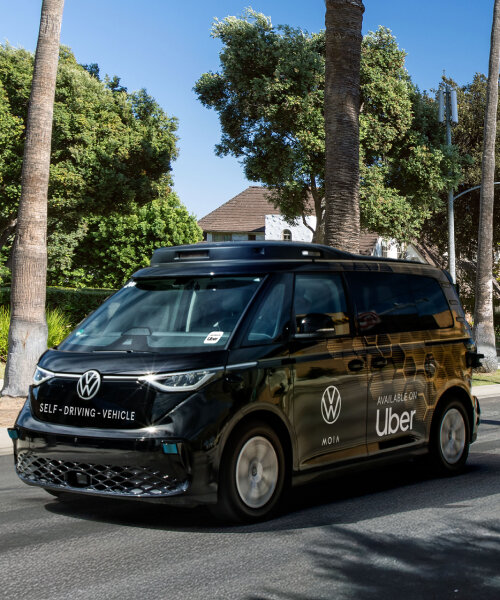
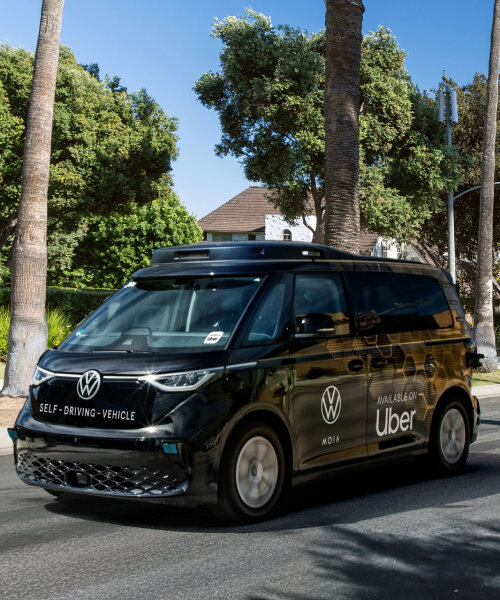
The automotive and ride-sharing industries are experiencing a significant shift as Volkswagen and Uber join forces to launch a fleet of autonomous electric taxis featuring the innovative ID.Buzz. This partnership is not just about deploying a modern reinterpretation of a classic vehicle—it’s a bold step towards sustainable urban mobility that promises a cleaner, more connected future for both Europe and the US.
At its core, the collaboration couples Volkswagen’s robust manufacturing expertise with Uber’s expansive global ride-hailing platform. The result is a vehicle designed to operate as a robotaxi—an autonomous, zero-emission minivan that is set to transform how urban transport is perceived and executed. In this editorial, we take a closer look into the partnership, the vehicle’s features, the rollout strategy, and the broader implications for the future of sustainable public transit.
Volkswagen’s Revolutionary ID.Buzz: A Modern Classic Reimagined
Volkswagen has long been synonymous with iconic automotive design, and the creation of the ID.Buzz is a tribute to that legacy. Drawing inspiration from the decades-old Microbus, the ID.Buzz has been completely re-engineered on Volkswagen’s Modular Electric Drive (MEB) platform. The vehicle is not only styled to evoke nostalgia but also packed with futuristic technology and eco-friendly features.
The ID.Buzz is equipped with a robust 91-kWh battery pack that provides an estimated range of up to 234 miles, ensuring that urban journeys can be comfortably managed without frequent stops. Additionally, with rapid DC charging capabilities allowing 10–80% charge in just 26 minutes, this robotaxi supports quick turnarounds. Engineers have also developed both rear-wheel and all-wheel drive variants, delivering up to 335 horsepower, which means almost every urban twist and turn will be handled with both power and precision.
This modern transportation marvel focuses on sustainability through its use of recyclable materials and an aerodynamic, EV-specific design that minimizes energy loss. Coupled with advanced driver assistance systems and an extensive sensor suite, the ID.Buzz is designed to support Level 4 autonomous driving, making the leap to a driverless future seem more like a near-term reality than a distant dream.
Key Technical Specifications and Sustainable Innovations
The vehicle’s technical prowess is as impressive as its design. Volkswagen’s reliance on its own manufacturing lines—rather than retrofitting existing models—ensures that the production process is more cost-effective and produces a lower environmental impact. This targeted approach stands in contrast to some competitors who have adapted older vehicles to include autonomous features, often at the expense of higher production costs and greater environmental concerns.
To further break down the technical elements:
- Battery & Range: A 91-kWh battery that can deliver up to 234 miles on a single charge.
- Rapid Charging: Rapid DC charging allows the battery to reach 80% capacity in 26 minutes, a key attribute for fast-paced urban operations.
- Power Output: The vehicle offers both rear-wheel and all-wheel drive options, providing up to 335 horsepower.
- Sustainable Materials: The use of recyclable materials and an EV-designed low-drag profile supports overall sustainability goals.
- Autonomy Features: Equipped with Level 4 capable driver-assistance systems, including robust sensor arrays (13 cameras, 9 LiDARs, and 5 radars) that generate five gigabytes of data per second for real-time obstacle detection and mapping.
Such detailed technical specifications are a testament to Volkswagen’s commitment to blending sustainable design with cutting-edge technology. Not only does it echo the company’s commitment to greener production practices, but it also pushes the boundaries of what is possible with autonomous electric vehicles.
Charting the Course: From Hamburg’s Test Tracks to Global Rollouts
Hamburg has been identified as the initial testing ground for the ID.Buzz Autonomous Vehicles (AVs) under Volkswagen’s mobility brand, Moia. Currently, a fleet of around 30 minivans is in operation with safety drivers on board, actively gathering real-world data and feedback from urban settings. This phase is crucial as it allows engineers to fine-tune the vehicle’s performance in a myriad of urban conditions—each city with its own set of tricky parts, tangled issues, and unpredictable twists and turns.
Looking ahead, the project is scheduled for an exciting debut in Los Angeles in 2026 under the Uber banner. Unlike fixed-route public transport, this deployment will offer flexible, on-demand ride-pooling options. Passengers in Los Angeles will have the innovative ability to request solo rides when needed, a feature that emphasizes both personalization and community support within urban transit.
Volkswagen’s ambitious plan does not end with the initial tests in Hamburg or even the Los Angeles rollout. The removal of safety drivers is anticipated in Los Angeles by the end of 2026, with further implementations across European cities expected by 2027. This gradual scaling ensures that each phase of deployment is managed with a focus on safety, public acceptance, and ease of operation.
The Sustainability Angle: Cleaner Cities and Reduced Emissions
Autonomous electric taxis, such as the ID.Buzz, offer a promising solution to several environmental challenges that modern cities face. These vehicles present an opportunity to move away from traditional combustion-engine taxis and privately owned vehicles that contribute significantly to urban pollution and traffic congestion.
Volkswagen and Uber’s initiative is emblematic of a broader movement aimed at overhauling urban transportation toward a cleaner, more efficient model. As more cities around the world seek sustainable transport solutions, the need to replace high-emission vehicles with zero-emission alternatives becomes increasingly pressing. This initiative is also a smart business move, as it aligns well with rising eco-friendly consumer trends and the increasing regulatory pressure to lower urban carbon footprints.
Key sustainability benefits include:
- Emission Reduction: Zero-emission vehicles help in reducing air pollution and dependency on fossil fuels.
- Efficient Energy Use: The EV-specific low-drag design and advanced powertrain contribute to overall energy efficiency.
- Shared Mobility Benefits: By replacing individually owned vehicles with shared autonomous taxis, urban congestion can be significantly mitigated.
- Scalable Green Practices: The partnership’s model of sharing AV infrastructure costs across multiple brands enhances economic and environmental sustainability.
This blend of technological innovation and sustainability is a key driver behind the future of urban transportation, promising a model that is both scalable and customer-centric.
Bridging the Gap: The Role of Autonomous Technology in Modern Transit
Autonomous technology is not merely a futuristic concept; it is becoming an everyday reality. The sensor-packed ID.Buzz AV employs Mobileye’s advanced autonomous driving platform, demonstrating Volkswagen’s determination to integrate self-driving tech seamlessly into its vehicles. The complex sensor suite, which includes state-of-the-art cameras, LiDAR, and radar systems, is crucial in handling the unpredictable, sometimes overwhelming, small distinctions found in urban traffic.
Such technology ensures that the vehicle is constantly processing real-time data from its surroundings, a process that is both sophisticated and essential for safe autonomous operations. Volkswagen’s choice to use in-house mapping tools—thus reducing reliance on external GPS signals—adds another layer of resilience in environments where infrastructure might be limited or confusing. This approach to technology integration serves as a blueprint for many other manufacturers seeking to enter the autonomous vehicle space.
In summary, the intricate blend of hardware and software in the ID.Buzz AV is meticulously engineered to handle both the big picture and the little details of autonomous urban mobility. Its implementation sets a high benchmark for subsequent developments in the field.
Addressing Safety, Accessibility, and Inclusivity in Autonomous Transport
One of the standout aspects of the Uber-Moia platform is its commitment to safety, accessibility, and inclusivity. The platform includes several innovative features designed to provide a secure and comfortable experience for all riders:
- NFC-Enabled Keyless Entry: Passengers gain access via their smartphones, eliminating the need for physical keys and reducing the risk of lost items.
- Cabin Cameras: These cameras monitor in-cabin behavior and object detection, ensuring that riders and the vehicle remain safe during transit.
- AI-Assisted Safety Interventions: This system offers remote communication options and emergency stop controls, which can be initiated by either the passenger or the system if an unsafe situation is detected.
The range of features underscores how the design of autonomous taxis is being continuously refined to address the many subtle details that define a safe ride. By proactively implementing solutions to counteract potential nerve-racking situations—like navigating busy streets or managing sudden traffic delays—technology is being employed as a stabilizing force in the evolution of urban transit.
Moreover, these safety measures aim to cultivate an environment where vulnerable groups, such as women or those who prefer solo rides during off-peak hours, feel secure. By offering the option to avoid shared rides when desired, the platform ensures that inclusivity is at the heart of this new mobility initiative.
Implications for the Broader Urban Transport Ecosystem
The impact of Volkswagen and Uber’s collaboration extends beyond the immediate convenience of on-demand autonomous taxi services. As cities are pressed to grapple with traffic congestion, pollution, and inefficient transport systems, radical changes in mobility are becoming essential.
In Europe, the integration of autonomous vehicles into public and private transport networks marks a significant turning point. Historically, the region has faced a number of twisted parts and tricky issues—stemming from stricter regulations and a cautious approach to adopting large-scale tech platforms. However, recent EU initiatives have begun to create more flexible regulatory sandboxes and test zones, allowing companies to experiment and ultimately establish new norms for urban mobility.
In the US, the rapid urban expansion and evolving consumer expectations make the adoption of autonomous taxis a promising pathway. With major cities like Los Angeles laying the groundwork for driverless operations, other metropolitan areas are likely to follow. This trend resonates with a broader strategic vision: establishing efficient and sustainable transportation systems that are adaptable to the fast-changing needs of modern urban lives.
The implications for municipal planners and policymakers are profound. The potential to replace millions of privately owned, combustion-engine vehicles with autonomous, zero-emission alternatives could lead to the revitalization of urban spaces—transforming congested streets into vibrant, pedestrian-friendly environments.
Economic Considerations: Scalability, Cost-Efficiency, and Shared Infrastructure
This partnership also represents a smart economic move for both automotive and tech giants. By sharing the substantial costs associated with developing and deploying AV infrastructure, Volkswagen and its sister brands—alongside major players like Audi and Porsche—can streamline research and lower overall expenses. Uber benefits from this model by integrating a fleet of purpose-built electric vehicles that are designed from the ground up for autonomy.
Cost-efficiency is achieved not only through shared infrastructure but also through the efficient manufacturing process that Volkswagen is championing. The decision to produce the ID.Buzz on dedicated production lines, rather than altering existing models, ensures that production issues are minimal and that scalability is maximized. Such an approach addresses many of the economic tangled issues and complicated pieces that businesses often face when transitioning to new technologies.
From an economic standpoint, the move is super important for several reasons:
- Shared Investment: Lower developmental costs by pooling resources across multiple brands.
- Streamlined Production: A dedicated production line leads to easier management of production schedules and higher quality control.
- Market Competition: The initiative sets a benchmark for both established manufacturers and new entrants in the autonomous vehicle space.
- Job Creation: Although automation shifts traditional roles, it also opens avenues for jobs in tech support, maintenance of autonomous systems, and software development.
This integrated economic strategy, which allows companies to share the substantial financial and operational burdens of pioneering new technology, is likely to become the trendsetter in the industry.
Consumer Adoption: Balancing Novelty with Trust
Despite the clear technological and economic benefits of autonomous electric taxis, consumer adoption involves a mix of excitement and skepticism. Many riders find the prospect of riding in a driverless taxi both exhilarating and, at times, intimidating. As with any radical change in transportation, there are nerve-racking moments awaiting early adopters, especially during the initial transition phase.
Key factors influencing consumer integration include:
- Trust in Technology: Continuous improvement in sensor accuracy and AI performance is critical for building consumer confidence.
- User Experience: A focus on making the experience safe, comfortable, and intuitive will help overcome any remote fears associated with autonomous driving.
- Safety Features: With in-built cabin cameras, emergency stop controls, and AI-assisted interventions, the system provides a multi-layered safety net for passengers.
- Personalization Options: Features such as solo ride requests during off-peak hours help to tailor the service according to individual preferences.
To encourage public trust, companies are also using extensive pilot programs. For example, the initial fleet in Hamburg operates under the close supervision of safety drivers. Each phase of the pilot is designed to peel back the confusing bits and make it easier for the public to understand the safety protocols that are in place.
As real-world data accumulates and challenges are addressed, it is expected that many users will gradually find their way around any lingering unease. The seamless integration of technology with safety, usability, and accessibility is the key to ensuring that consumers eventually embrace and benefit from this advanced transformation in urban mobility.
Comparative Analysis with Other Autonomous Initiatives
While Volkswagen and Uber’s initiative is among the most high-profile in the autonomous taxi market, it is essential to place it in context with other endeavors. Various companies across North America, Europe, and Asia are experimenting with self-driving vehicles, yet few have combined the sustainability factor with a dedicated zero-emission platform as aggressively as this collaboration.
Several key differences set this partnership apart:
| Aspect | Volkswagen & Uber | Other Initiatives |
|---|---|---|
| Vehicle Platform | Custom-built ID.Buzz on dedicated production lines using MEB platform | Often retrofitted or adapted from existing vehicles |
| Sustainability | Focus on environmentally friendly materials, low-drag design, and zero emissions | Varies; may still rely on higher-emission components |
| Autonomy Level | Equipped for Level 4 autonomy with extensive sensor suite | Many still in testing phases or offer lower levels of autonomy |
| Economic Model | Shared AV infrastructure costs across renowned brands | Often reliant on singular investments without cross-brand support |
This comparative assessment highlights the strengths of the Volkswagen-Uber alliance, illustrating how a comprehensive and integrated approach to autonomous, electric vehicle design can overcome many of the messy twists and turns that have plagued other projects.
Future Outlook: What Lies Ahead for Urban Transportation?
Looking forward, several trends will likely shape the future of urban mobility and the role played by autonomous electric vehicles. As cities worldwide continue to tackle congested streets and escalating environmental concerns, the deployment of self-driving robotaxis becomes not only attractive but also inevitable.
Some potential future directions include:
- Increased Adoption of Shared Mobility: As the public becomes more comfortable with autonomous technology, reliance on personal vehicles may decrease significantly.
- Regulatory Advancements: Governments and city planners will continue to create more flexible test zones and regulatory sandboxes, easing the integration of new transport technologies.
- Integration with Public Transit: Autonomous taxis may gradually become integrated with existing public transport systems, providing seamless last-mile connectivity solutions.
- Technological Maturation: Continuous improvements in AI, sensor technologies, and data processing capabilities will further enhance the safety and reliability of autonomous vehicles.
This roadmap, laden with challenging pieces and small distinctions that require careful attention, illustrates a future where technology and sustainability meet to create urban transport systems that are both efficient and environmentally friendly. Every step taken in this direction is super important for reinforcing the public’s faith in the new norms of transportation.
Challenges and Considerations in the Transition to Autonomous Mobility
Despite all the promise, the shift toward fully autonomous urban transportation is not without its tricky parts. There remain several challenges that stakeholders will need to address head-on:
- Regulatory Hurdles: Different regions have varied levels of regulatory flexibility. Getting municipal and national governments on board to modify dense, complicated pieces of legislation is a process that requires persistence.
- Public Trust and Safety: Overcoming the nerve-racking moments that early adopters might face is a significant challenge. Ongoing improvements in safety features and transparent data sharing will be pivotal in earning widespread consumer confidence.
- Data Privacy: The intensive data requirements for autonomous navigation, including the collection of high volumes of live data, bring about concerns related to privacy and security. Ensuring that personal information is collected and used ethically is a key issue that companies must work through.
- Infrastructure Needs: Updating urban road networks, communication systems, and energy grids to support the widespread adoption of autonomous vehicles is a large-scale, sometimes overwhelming undertaking, filled with its own set of tangled issues.
Industry initiatives that highlight multibrand partnerships—as evidenced by the Volkswagen-Uber deal—are a promising strategy to help figure a path through these challenges. By pooling technical expertise, leveraging shared infrastructures, and collectively working through regulatory approvals, stakeholders can mitigate many of the risks that come bundled with this transformative technology.
Conclusion: Embracing a New Era in Urban Mobility
The Volkswagen and Uber collaboration on the autonomous electric ID.Buzz taxis signals a major turning point not only in the automotive world but also in the broader landscape of urban transport. By combining a commitment to sustainability with state-of-the-art technology and economic savvy, this initiative sets the stage for a new era of mobility that is both environmentally responsible and economically viable.
While there are still plenty of confusing bits and nerve-racking challenges to tackle, the road ahead is paved with promise. With solutions that are designed to address the small distinctions in safety, accessibility, and cost-efficiency, the public can expect a future where the chaotic energy of city life is complemented by cleaner, more efficient modes of transit. The integration of autonomous electric taxis into the fabric of urban mobility is a super important step towards reimagining our cities as cleaner, more livable spaces for all.
As we figure our way through the intricate twists and turns of this transformative period, it becomes increasingly clear that the collaboration between established automotive giants and innovative tech platforms may well be the blueprint for future success in a rapidly evolving transport ecosystem. It’s a future where sustainable practices, combined with advanced autonomous technology, could redefine not only our streets but offer a new vision for urban life across the globe.
In embracing these changes, cities around the world are steering through challenging regulatory landscapes, building trust with consumers, and investing in the kind of green, forward-thinking infrastructure that is necessary for substantial progress. The collaborative venture of Volkswagen and Uber represents a beacon—a statement that even amidst overwhelming modern challenges, innovation and sustainability can go hand in hand to create smarter, more efficient urban environments.
For urban planners, policymakers, and everyday commuters, this partnership is a critical reminder that the future of transportation is not a distant dream, but a rapidly unfolding reality. As the first waves of autonomous electric taxis begin to populate our streets, we are witnessing the dawn of a new, cleaner, and more connected era in urban mobility—a future where technology meets tradition and sustainability is the guiding principle behind tomorrow’s cityscapes.
Looking forward, the continued evolution of this market will depend on collaborative efforts across industries, persistent efforts in addressing tough regulatory challenges, and ongoing investments in public trust and safety. As more cities adopt these innovative models, the samples of success from this initiative will likely spur further investments and breakthroughs in autonomous ride-sharing technology on a global scale.
In conclusion, the journey toward a fully integrated autonomous urban mobility ecosystem is a challenging, yet exhilarating road. Every small twist and every complicated piece of technology used in this venture are testaments to the ingenuity and resilience of those at the forefront of this change. The Volkswagen-Uber alliance stands as a prime example of how industries can combine forces to shape a future that is not only technologically advanced but also mindful of our larger environmental responsibilities. It is an exciting time to witness, and indeed be a part of, the sweeping transformation that promises to redefine what urban transportation means in our modern world.
Originally Post From https://sustainabilitymag.com/news/how-are-volkswagen-and-uber-redefining-autonomous-taxis
Read more about this topic at
How sustainable, autonomous, and connected vehicles are …
Sustainable Autonomous Mobility Futures → Term