Global Silicon Photonics Market Set to Exceed Eight Billion Dollars by 2030
The Silicon Photonics Market: A Quantum Leap in Speed and Efficiency
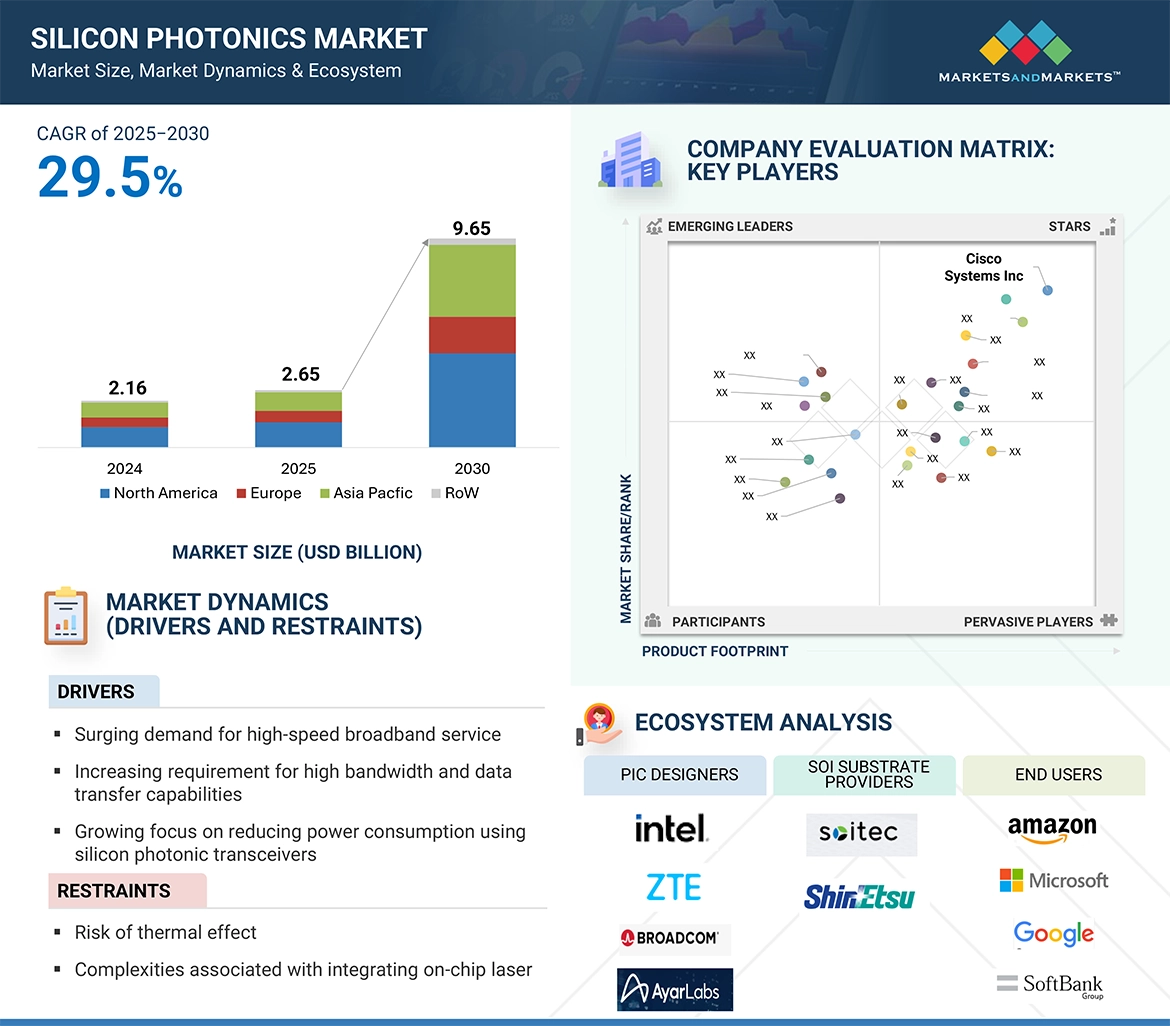
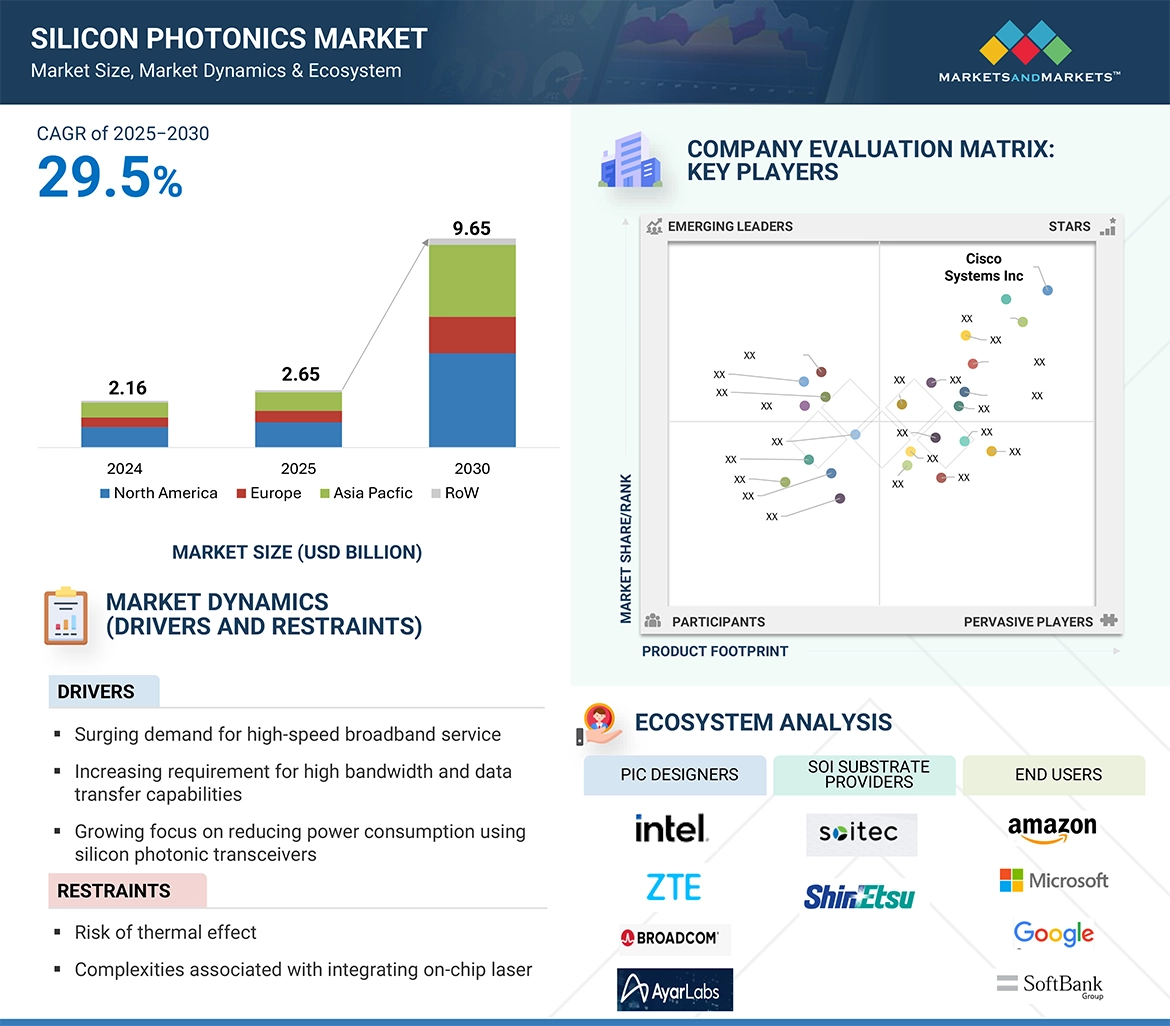
The silicon photonics market is steering toward a future of striking growth and revolutionary advancements. With projections to surge from US$1.63 billion in 2023 to a staggering US$8.13 billion by 2030, the transformation is not just a matter of numbers—it’s a shift in how we think about data, communication, and technology infrastructure. Today, I want to share my perspective on why this market is so critical and how it promises to reshape industries ranging from data centers to emerging fields such as autonomous vehicles and healthcare diagnostics.
As businesses and tech enthusiasts alike keep a close eye on the evolution of data transmission, the silicon photonics market stands out for addressing the tricky parts of high-speed data transfer. In this opinion editorial, I’ll poke around the driving factors behind this impressive growth, examine the fine points of its technological innovations, and explore the opportunities and challenges that lie ahead for the industry.
The Driving Forces Behind the Growth
There are several compelling reasons why silicon photonics has captured the attention of industries worldwide. Traditional copper-based systems are increasingly struggling to meet the ultra-fast, low-latency requirements demanded by modern applications. Key drivers include the exponential increase in global data traffic, the relentless surge in cloud computing, and the growing needs of artificial intelligence and machine learning processes.
An essential aspect of this growth is the ability of silicon photonics to offer ultra-high bandwidth data transfer, which is crucial given the increasing dependency on digital interactions. Here is a closer look at some of the major factors:
- Explosive Data Demand: With worldwide reliance on data-intensive services like video streaming, real-time analytics, and cloud storage, the traditional copper interconnects are showing their limits in terms of energy efficiency and speed.
- High-Performance Computing Needs: The modern era of hyperscale computing and edge data centers demands data paths that can deal with low latency and minimal signal loss. Silicon photonics provides a solution that can integrate with the current semiconductor manufacturing processes.
- Sustainable Data Transmission: The pressing need for greener, more energy-efficient data solutions is pushing companies to opt for photonics, which typically uses far less power than copper-based systems.
This combination of increased data requirements and the pressing need for eco-friendly and scalable solutions gives silicon photonics its edge, paving the way for a market that’s not just expanding but transforming how technology is integrated into our daily lives.
Redefining Data Centers and Cloud Infrastructures
Silicon photonics is revolutionizing the very architecture of data centers. The traditional copper interconnects, once the backbone of data transfers, are no longer able to meet the modern-day demands of rapid data movement and low latency. With data centers growing in size and complexity, the need for a high-bandwidth, energy-efficient alternative has become super important.
One of the key advantages of silicon photonics is its ability to integrate optical and electronic components on a single chip, largely thanks to its compatibility with standard complementary metal-oxide-semiconductor (CMOS) processes. This integration promises to streamline production and reduce per-unit costs—an essential factor as the technology scale-ups. Furthermore, the cost efficiency is bolstered by several factors:
- Mass production capabilities using existing semiconductor foundry infrastructure.
- Reduced signal loss and power consumption during long-distance data transmission.
- Enhanced thermal performance, which minimizes the overall operating costs of data centers.
These advantages provide the backbone of a resilient and future-proof digital infrastructure, making silicon photonics a key component of next-generation data centers.
Ultra-Fast Data Transfer: Meeting the Needs of a Data-Driven World
At its core, the silicon photonics market is a testament to our need for ultra-fast data transfer. With advancements in technologies such as 5G, cloud computing, and edge computing, the demand for high-speed communication has never been higher. Silicon photonics is emerging as the answer to these demands, offering a sustainable and scalable alternative to traditional transmission methods.
This rapidly expanding sector is driven by several important factors:
- AI and Machine Learning: The enormous computational power required for modern AI tasks demands efficient parallel data processing. Optical interconnects provided by silicon photonics enable this by significantly reducing latency compared to older methods.
- Next-Generation Sensing: Within sectors like automotive and healthcare, applications such as LiDAR and high-resolution medical imaging require ultra-fast optical data channels. This is crucial for enabling accurate 3D mapping and non-invasive diagnostic procedures.
- Cloud Expansion: Major tech titans like Amazon, Google, and Microsoft are investing heavily in data centers that leverage silicon photonics for its faster interconnect speeds and improved energy profiles.
These examples illustrate how silicon photonics is not restricted to a single industry. Instead, its adaptability across varying applications positions it as a cornerstone of modern technology infrastructures.
Integration of Optical and Electronic Components
The integration of optical and electronic components on a single chip stands as one of the greatest success stories in modern tech innovation. This is made possible through the use of established CMOS manufacturing processes, which not only streamline production but also significantly reduce the per-unit cost of these advanced chips.
To break it down further, here are several significant benefits of this integration:
- Scalability: The compatibility with CMOS means that companies can produce silicon photonics devices at scale, which is vital as demand for data centers and high-speed networks continues to soar.
- Cost-Effectiveness: Leveraging existing semiconductor processes allows manufacturers to avoid the nerve-racking costs associated with setting up new manufacturing technologies, thereby making silicon photonics a commercially viable option.
- Miniaturization: Integrating multiple components on a single chip helps in building smaller and more power-efficient systems. This is particularly important for portable devices, consumer electronics, and compact data center designs.
A side-by-side comparison often makes it clear why integration matters. Consider the following table which highlights the key differences between traditional electronic interconnects and those based on silicon photonics:
| Feature | Copper-Based Systems | Silicon Photonics |
|---|---|---|
| Bandwidth Capacity | Limited | Ultra-high |
| Power Consumption | High | Lower, more efficient |
| Signal Loss | Significant over long distances | Minimal even over extended distances |
| Integration Compatibility | Niche, often needs separate processes | Seamless with CMOS processes |
This table clearly shows that as our needs evolve, the industry’s ability to adapt by merging various technologies becomes not just a trend—but a necessity. When companies can merge photonic and electronic functionality, they are able to produce systems that not only perform better but are easier to mass produce.
Emergence of New Applications in AI, Healthcare, and Automotive
Silicon photonics has long been associated with telecommunications and data centers, but its applications are now spreading far and wide into previously untouched areas. Emerging sectors are beginning to reap the benefits of this technology, which translates to a broader market reach and enhanced overall resilience.
Let’s take a closer look at how different industries are beginning to capitalize on this transformative technology:
Silicon Photonics in AI and Machine Learning
The data-hungry world of artificial intelligence and machine learning is driven by the need for rapid processing and high-speed communication. Silicon photonics delivers on both fronts by providing ultra-high bandwidth, which is essential for speeding up applications like large language model training and real-time data analysis. Some key points include:
- High-Speed Data Channels: Enabling chips to communicate more effectively by reducing latency, which is critical during intensive computational tasks.
- Enhanced GPU Communication: Improving the performance of graphical processing units and dedicated AI accelerators for faster task execution.
- Scalability in AI Hardware: Allowing for efficient interconnect solutions that match the speed requirements of next-generation AI systems.
This technological leap not only advances the capabilities of AI but also makes it more accessible to varied applications ranging from consumer products to enterprise-level solutions.
Transforming Healthcare and Life Sciences
In healthcare, silicon photonics paves the way for advanced non-invasive diagnostics, high-resolution imaging, and lab-on-chip devices. The optical components embedded within these systems are crucial because they can provide the ultimate in sensitivity and precision, even when dealing with extremely small signals.
Here’s how silicon photonics can change the landscape in healthcare:
- Biosensing Capabilities: Offering non-invasive monitoring solutions which can alert clinicians to subtle changes in a patient’s condition long before symptoms become severe.
- Medical Imaging: Improving resolution and reducing the time needed to capture detailed images, facilitating faster diagnosis and better patient outcomes.
- Lab-on-Chip Technologies: Integrating complex analyses into portable devices that can be used in remote locations or at the point of care.
By changing the way data is captured and analyzed, silicon photonics holds the promise of transforming diagnostics and patient monitoring, ultimately leading to more timely and effective treatments.
Accelerating Innovations in Autonomous Vehicles and Advanced Driver Assistance
The automotive industry is no stranger to the nerve-racking challenges of integrating advanced technology into everyday vehicles. With the advent of autonomous driving and advanced driver assistance systems (ADAS), the demand for reliable, ultra-fast sensors and imaging solutions is at an all-time high.
Silicon photonics is making significant strides in this field as well. It facilitates high-resolution LiDAR systems that are critical for accurate 3D mapping and object detection—a must-have for ensuring safe and efficient autonomous vehicle operation. Key features here include:
- Improved Sensor Accuracy: High-speed optical data transmission aids in real-time mapping and quick response times, crucial for navigation in dynamic environments.
- Reliable Communication Channels: Integrating optical components with electronic controls to offer dependable performance even in challenging weather conditions or low light.
- System Integration: The ability to combine these systems on a single chip translates into a more compact design, smoother production, and ultimately safer vehicles.
As automotive manufacturers continue to invest in research and development, silicon photonics provides a critical pathway for overcoming the tangled issues of sensor integration and communication speed in vehicles.
Global Perspectives and Market Segmentation
The rise of silicon photonics isn’t confined to one geographical area or market segment. Its growth is a truly global phenomenon with significant contributions coming from North America, the Asia Pacific region, Europe, Latin America, and even the Middle East & Africa.
Nearly half of the current market revenue originates from North America—a region that has always led the charge in pioneering technology and research partnerships. Continued investments in academic research, robust infrastructure, and public-private partnerships have placed North America at the forefront of innovation in photonics technology.
However, it’s the Asia Pacific region that promises the most dramatic growth. With a compound annual growth rate (CAGR) predicted at around 27.8%, countries like China, Japan, and South Korea are aggressively embracing silicon photonics. Here are some of the key dynamics driving the global segmentation:
- North America: Cats as an innovation hub thanks to a strong R&D base, established academic-industry partnerships, and large-scale data center operations.
- Asia Pacific: Rapid manufacturing growth and collaborative government-supported programs are steering the region to become a powerhouse in silicon photonics production and R&D.
- Europe: A balanced mix of research and standardized regulations that help in integrating technology into various sectors including defense and telecommunications.
- Latin America and Middle East & Africa: Emerging markets that, while challenging due to their more nerve-racking regulatory environments, are showing great promise as global players in tech integration.
Understanding these geographical insights is critical when figuring a path for future investments and research in silicon photonics. Each region offers unique opportunities and comes with its own set of complicated pieces in terms of policy and implementation techniques.
Examining the Product and Component Landscape
Beyond the geographical factors, the silicon photonics market is also segmented based on components, products, and applications. This segmentation provides further clarity on where the opportunities lie and helps in aligning business strategies with market needs.
For instance, the components in this market are divided into optical waveguides, optical modulators, photodetectors, wavelength-division multiplexing (WDM) filters, and lasers. Among these, WDM filters stand out with a significant revenue share of around 32.2%, primarily because they allow for multiple wavelength channels on a single chip. This makes them super important for applications that demand incremental data processing speeds and efficiency.
On the product front, active optical cables lead the market with over 35.9% revenue share, driven by the need for rapid data transmission and minimal signal loss. The inherent benefits of these products have been a key factor in driving the market, and numerous system integrators and OEMs rely on their performance for maintaining robust and expansive data centers.
Lastly, application areas in this sphere include IT and telecommunications, consumer electronics, healthcare and life sciences, commercial ventures, and defense and security, among others. Notably, IT and telecommunications account for roughly 43.1% of the revenue share. This strong linkage to digital infrastructure and data centers underscores the critical role silicon photonics plays in shaping modern communication networks.
Opportunities Amidst Challenging Production and Integration Processes
While the growth trajectory of silicon photonics is impressive, the market is not without its tricky parts and tangled issues. The development of silicon photonics technologies involves managing your way through a maze of production challenges and integration issues that arise from merging optical and electronic components.
Some of the challenging areas include:
- Complex Manufacturing Processes: Although CMOS compatibility is a major driver, aligning photonic and electronic production steps often leads to complicated pieces that require intensive coordination.
- Quality Assurance and Testing: With the technological strides in this field, ensuring that each chip meets high-performance standards in real-world conditions can be a nerve-racking process.
- Supply Chain Management: The need for precise components and reliable partnerships across global markets introduces some confusing bits in terms of logistics and operational planning.
Yet, in addressing these issues, companies in the industry are steadily building more resilient ecosystems. Collaborations between semiconductor giants, test equipment manufacturers, and innovative startups are paving the way for more robust and reliable silicon photonics products. This cooperation is essential in making the technology not only viable but preferred over older systems.
A Look at Recent Developments and Industry Collaborations
Recent news in the sector further highlights the dynamic nature of the silicon photonics market. Notable collaborations and investments—ranging from high-volume wafer probe testing systems to new R&D centers—are providing fresh momentum to this burgeoning field.
For example, major technology alliances and partnerships have been forming to create standardized frameworks that can guide the evolution of photonic circuits. Such alliances are a great example of how disparate sectors can take a closer look at the value of integrating cutting-edge technologies into their operations. Some noteworthy points include:
- Investment by leading semiconductor companies in photonic IC testing, which assures consistent quality across large production volumes.
- The creation of new research and development centers worldwide, which signifies the increasing global importance of photonics technologies.
- Industry-led conferences and seminars that serve as platforms to tackle tricky parts and find innovative solutions for integrating optical and electronic components.
These developments are not just headline news—they have real implications for the future of high-speed data transmission, impacting sectors from IT to defense. By working through these advancements, the market is steadily addressing the small distinctions and hidden complexities that have historically held back progress, paving the way for more fluid integration of future technologies.
Silicon Photonics: A Catalyst for Economic and Industrial Transformation
As we shift our focus to the broader economic landscape, it’s clear that silicon photonics is not just a technological advancement—it is a catalyst for industrial transformation. Its potential to drastically improve data centers and redefine communication channels has far-reaching implications for businesses on a global scale.
There are several facets of this economic impact:
- Boosting Manufacturing Capabilities: By leveraging existing manufacturing infrastructures, companies can greatly reduce production costs. This cost efficiency translates into more accessible and scalable technology solutions across different industries.
- Driving Global Investments: The rapid growth predicted in the silicon photonics market is attracting investments from major cloud providers and tech giants. Their strategic investments not only secure faster data transfer capabilities but also spur additional ancillary innovations.
- Enhancing Competitiveness: Industries that adopt advanced photonic technologies gain a competitive advantage by improving product performance and operational efficiencies—a key factor in today’s globally integrated market.
At a macro level, the evolution of silicon photonics hints at a future where high-speed communication is not a luxury but a standard feature in every business process. By integrating these advanced capabilities into everyday operations, companies across sectors—from automotive to manufacturing—can not only benefit from increased efficiency but also drive innovation that shapes tomorrow’s technologies.
The Future: Opportunities and The Road Ahead
Looking forward, it’s apparent that the silicon photonics market is set to continue its impressive growth path well into the next decade. The current trends suggest a broader adoption of these technologies across a wide range of applications, making it a cornerstone for digital transformation in many industries.
Some of the key areas to watch include:
- Continued Integration with Next-Gen Processors: As data centers and AI systems evolve, the need for even faster and more energy-efficient connectivity will spur further refinements in silicon photonics design and deployment.
- Expansion of Consumer Electronics: The integration of optical communication in everyday gadgets could redefine the performance boundaries of consumer devices, enabling smarter, faster solutions.
- Environmental and Energy Benefits: With a growing emphasis on sustainable technologies, silicon photonics offers a greener alternative for high-speed data transfer and could become a norm in reducing the overall energy consumption of increasingly digital economies.
Additionally, as global supply chains and technology ecosystems evolve, the market’s resilience will be tested by the need to steer through logistical challenges and maintain a consistent pace of innovation. Companies that can manage these little twists while scaling production and enhancing integration efficiency will emerge as the primary beneficiaries of this digital revolution.
In many ways, silicon photonics stands as a testament to our ability to innovate when faced with the overwhelming demands of modern data needs. It not only promises to replace outdated electronic systems but also offers a gateway to a future where high-speed, sustainable data transfer is accessible to all sectors of the economy.
Practical Insights for Businesses Adopting Silicon Photonics
For small businesses, industrial manufacturing entities, and even automotive innovators looking to benefit from the silicon photonics revolution, there are several practical tips and considerations:
- Research and Development Investment: Staying ahead in the technology game means companies must invest in R&D to understand and integrate these innovations into their operations. Regular collaborations with tech labs and industry consortiums can provide key insights into effective integration strategies.
- Partnering with Industry Leaders: Forming strategic alliances with established players in the silicon photonics field can help businesses manage the complicated pieces of tech adoption while accelerating time-to-market for novel products and solutions.
- Adapting to Economic and Industrial Trends: By keeping a close eye on market trends and shifting consumer demands, companies can steer through potential obstacles and harness the power of ultra-high-speed data channels to enhance their overall competitiveness.
These practical insights not only offer a roadmap for those looking to integrate silicon photonics into their operations but also underscore how interconnected the global tech ecosystem has become. In a rapidly evolving digital economy, understanding and adapting to these fine details can make the difference between success and stagnation.
Conclusion: Embracing the Future of High-Speed Connectivity
As I take a closer look at the evolution of the silicon photonics market, it’s impossible to ignore the transformative potential it holds for industries around the globe. The projected growth to US$8.13 billion by 2030 isn’t just a number—it symbolizes a fundamental shift toward a future where digital connectivity is more robust, efficient, and eco-friendly than ever before.
While challenges remain, especially in managing the intricate bits of manufacturing and integration, the progress made so far is nothing short of inspirational. With major players in technology and communications already aligning their strategies around silicon photonics, businesses both large and small have a clear signal: this is the way forward for high-speed, energy-efficient data transmission.
In my view, as we work through the twists and turns of technological adoption and integration, we must remain open to new ideas and approaches. The silicon photonics market is full of promise—not just for the tech giants but also for innovative startups and established enterprises looking to tap into the next phase of digital transformation.
Ultimately, the success of silicon photonics will depend on our ability to manage the tricky parts of merging optical and electronic systems, decipher its subtle details, and craft strategies that not only keep pace with but also anticipate future demands. As we continue to invest, innovate, and integrate, silicon photonics stands ready to shape a future where high-speed data transfer isn’t a challenge but a well-oiled process, marking a turning point in the global digital economy.
By embracing these technologies and understanding the evolving landscape through informed opinion and practical insights, businesses can confidently take the wheel in guiding the digital revolution. Whether in data centers, automotive applications, healthcare, or beyond, the promise of silicon photonics is clear: it is a critical enabler for a smarter, faster, and more sustainable future.
Originally Post From https://iconnect007.com/article/145837/global-silicon-photonics-market-to-surpass-813-billion-by-2030/145834/ein
Read more about this topic at
The revolution of silicon photonics | Nature Materials
Silicon Photonics Transforms Data Centers and AI …