Transforming the Road Ahead Automotive Lightweight Materials Unlock Billions in Market Growth

Automotive Lightweight Materials: A Transformative Era Ahead
The global automotive lightweight material market is experiencing a quiet revolution. Over the next decade, this evolution is expected to not just shift production numbers but to fundamentally reshape the way that vehicles are engineered, manufactured, and even perceived by consumers around the world. In my opinion, the market – set to reach a valuation of USD 47.32 billion by 2035 – is far more than just a niche segment. It represents the intersection between environmental responsibility, technological innovation, and a rapidly changing global economic landscape.
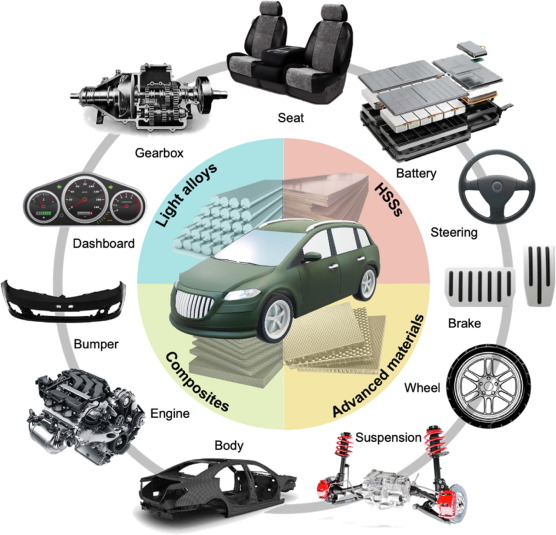
Today, when we look at a vehicle, it is not simply a piece of machinery; it is a statement about our priorities. With environmental regulations tightening and consumer expectations evolving, automakers are forced to seek ways to cut down on emissions and fuel consumption. Replacing traditional heavy materials with advanced alternatives like high-strength steel (HSS), aluminum, and composites is fast becoming the norm rather than the exception. This shift not only reduces the overall weight of vehicles but also contributes significantly to improved energy efficiency, ensuring that the challenges of climate change and resource scarcity are taken seriously.
Trends and Drivers in the Autonomous Materials Revolution
At the heart of this market expansion are several trends that are changing the automotive industry. The need for vehicles that are both high performing and environmentally friendly has led to a search for materials that can deliver on both fronts. In my view, one of the most exciting aspects of this ongoing transformation is the manner in which automakers are integrating advanced high-strength steel (AHSS) and ultra-high-strength steel (UHSS) into their designs. These materials, celebrated for their strength, affordability, and recyclability, have allowed manufacturers to reduce a vehicle’s weight without compromising on safety or performance.
Furthermore, the substantial increase in electric vehicle (EV) production has amplified demand for these lightweight materials. Battery systems that empower EVs tend to be heavy. Therefore, in order to counterbalance this added mass while also extending driving range, forward-thinking manufacturers are turning to alternative materials such as aluminum, polymers, and carbon fiber composites. This trend, in my opinion, is a clear indicator of how the industry is not only addressing immediate safety and efficiency issues but is also planning well ahead, preparing for a future where vehicles are smarter, cleaner, and more adaptable to stringent environmental standards.
Understanding the Greener Impact: Sustainable Materials in Focus
The drive towards sustainability is a defining factor in today’s automotive landscape. Car manufacturers worldwide are investing heavily in the research and development of eco-friendly materials. With tougher environmental regulations coming into effect in many regions, there is a growing need to integrate sustainable solutions that align with these rules without sacrificing vehicle performance.
One major breakthrough has been the increased use of carbon fiber composites in exterior components. Often employed in parts like hoods, body panels, and even chassis elements, these materials combine strength with drastic weight reduction. In addition, polymers and advanced composites are playing a significant role in absorbing impact energy while keeping the overall structure resilient. However, the integration of such materials does come with its share of tricky parts. Manufacturers must fight through tangled issues related to cost, production scalability, and the sometimes intimidating challenge of adapting to new production techniques.
At times, the many twists and turns of material selection and engineering may seem nerve-racking, but the long-term benefits—reduced emissions, improved fuel efficiency, and a lower carbon footprint—are key aspects that outweigh the confusing bits experienced during the transition. This balancing act, between innovation and regulation, is one of the most critical and super important factors shaping the future of automotive manufacturing.
Electric Vehicles and Lightweight Materials: A Symbiotic Relationship
No discussion on automotive lightweight materials can be complete without exploring the burgeoning electric vehicle market. As EVs continue to capture the imagination and wallets of consumers, they also add unique challenges to the engineering puzzle—most notably the significant weight of their batteries. Car manufacturers are increasingly challenged by the delicate task of keeping vehicles light enough to optimize battery performance while also ensuring that they remain robust in safety and durability.
This is where lightweight materials come in as the unsung heroes. Materials like aluminum and advanced composites are now essential in counterbalancing the weight of the battery system. These materials not only help in reducing the overall mass but also contribute to aerodynamic efficiency, thereby extending driving range and enhancing overall performance.
In my opinion, the success of the EV market is inextricably linked to advancements in materials science. Successful integration of these materials will likely determine which brands lead the charge in the EV revolution and which ones fall behind. For instance, automakers investing in technologies such as additive manufacturing (3D printing) are finding new ways to achieve optimal material performance while reducing production costs and lead times. By pushing the boundaries and experimenting with high-performance, eco-friendly materials, manufacturers are reimagining the very fabric of modern vehicles.
Regional Insights: How Global Markets are Steering Through Environmental Goals
When one takes a closer look at the automotive lightweight material market, it is evident that geographic trends play a significant part. Different regions around the world are experiencing varying degrees of adoption and challenge when it comes to lightweight materials. In Europe and North America, for example, strict environmental regulations have made the switch from heavier, traditional materials to lighter alternatives not just beneficial but almost compulsory.
In Europe, policies aimed at reducing vehicle emissions and curbing fuel consumption have propelled manufacturers to innovate relentlessly. Meanwhile, in North America, a combination of stringent state-level regulations and high consumer demand for fuel efficiency continues to push automakers towards lightweight solutions.
The Asia-Pacific region presents a combined picture of rapid growth and evolving consumer expectations. Countries like China, India, and South Korea are not only experiencing a surge in automobile production but are also witnessing a dramatic rise in EV adoption. For these markets, expanding urbanization, rising disposable incomes, and government incentives play a key role in promoting advanced manufacturing practices centered around lightweight materials.
A brief table comparing some of the key regional drivers is presented below:
| Region | Key Drivers | Challenges |
|---|---|---|
| Europe |
|
|
| North America |
|
|
| Asia-Pacific |
|
|
This table clearly indicates that while each region faces its own set of challenges and twisted parts, the underlying drive towards sustainable, performance-enhanced automotive design is a global phenomenon. It is these small distinctions in regulatory and consumer dynamics that make the global market so full of problems and tension yet so full of promise.
Investment in Research & Development: The Hidden Catalyst
One of the key drivers of change in this dynamic market is continuous investment in research and development (R&D). It is essential for manufacturers to experiment with and refine these innovative materials to meet ever-evolving performance benchmarks. This aspect of product development has its own share of hurdles. There are plenty of confusing bits and intimidating challenges associated with getting into new technologies, testing new material compositions, and overcoming the hidden intricacies of production scalability.
Companies such as Toray Industries, Covestro AG, BASF SE, and Alcoa Corporation are leading the charge. In addition to their regular production lines, these forward-thinking enterprises are heavily involved in exploring novel production methods like additive manufacturing. Their focused R&D efforts are yielding materials that are not only lighter but also more durable and recyclable, thus promising a competitive edge in a market loaded with issues that need careful maneuvering.
While there is no one-size-fits-all solution, the fine points unveiled in R&D initiatives reveal that investing time, money, and creativity in refining these materials is super important for long-term success. It is clear that these research initiatives are critical not only from an engineering standpoint but also for addressing economic and environmental challenges head-on.
Strategic Partnerships and Collaborations: Aligning Forces for a Greener Future
The automotive lightweight material market is not just about individual innovation; it’s also about collective progress. Strategic collaborations among automakers, suppliers, and material producers play a crucial role in driving forward this industry transformation. The complexities of designing vehicles that are both beautifully engineered and environmentally compliant are too challenging to tackle alone. In my view, this is why partnerships are a must-have element of the current market dynamic.
For instance, key collaborations have emerged between traditional automakers and new-age tech companies specializing in advanced manufacturing processes. Such alliances help in combining the strengths of established production methodologies with the fresh perspectives brought by innovative technologies. These partnerships not only aid in steering through regulatory requirements but also help in sharing the weight of the technological and financial burdens associated with advanced material research and development.
Some common benefits of these collaborative efforts include:
- Pooling of resources for more extensive R&D
- Sharing of production risks and rewards
- Fostering of innovative ideas through diverse expertise
- Accelerating the transition to eco-friendly production processes
By working closely together, companies are better positioned to tackle the tangled issues that come with developing and fabricating lighter, more robust automotive components. This collaborative approach ensures that despite the daunting challenges and off-putting costs sometimes associated with groundbreaking materials, the industry can continue to advance steadily towards a greener and more sustainable future.
Economic and Regulatory Challenges: A Closer Look at the Finances
A significant part of the debate surrounding the automotive lightweight material market hinges on the financial implications and regulatory environment. While the projected growth to USD 47.32 billion by 2035 signals tremendous market opportunity, it also lays bare a host of economic twists and turns. Traditional automotive manufacturing systems are being upended, and investments in new production technologies are more important than ever.
Regulatory measures aimed at curbing emissions are being implemented at a nerve-racking pace. This leaves many manufacturers facing the overwhelming task of making the necessary adjustments to comply with diverse and often tangled regulations. On one hand, these legal guidelines are absolutely critical in the fight against climate change. On the other hand, they form a set of complicated pieces which many manufacturers must approach with caution, spending both time and capital to effectively meet these strict standards.
Moreover, there is a clear cost challenge associated with transitioning to high-performance lightweight materials. The initial outlay for materials like carbon fiber composites or advanced polymers can be considerably higher than conventional materials. Nonetheless, as production scales and technologies mature, it is anticipated that these costs will decline gradually, making the adoption of lightweight materials a matter of finding your way through temporary high expenses to reap long-lasting benefits.
In summary, while there are significant financial and regulatory hurdles, addressing them is not just about compliance; it’s about embracing a broader vision of sustainable progress that could redefine the landscape of both automotive manufacturing and environmental stewardship.
Future Outlook: The Road Ahead for Automotive Innovation
Looking forward, the automotive lightweight material market is poised for a future that is immensely promising. Continued advancements in EV technology, stricter environmental mandates, and the accelerated pace of global industrial production form the backbone of this market’s steady climb. In my opinion, the future of automotive manufacturing will be characterized by a persistent drive to adopt innovative, eco-friendly materials that support both performance and sustainability.
As the automotive industry steadily moves towards greener solutions, the emphasis on developing high-performance, lightweight components will become even more critical. Manufacturers that can master these novel materials – balancing quality with cost and production efficiency – are likely to emerge as leaders in the new age of automotive design.
A snapshot of the key factors shaping this future includes:
- Growing consumer demand for sustainable vehicles
- Enhanced government incentives for EV adoption
- Expansion of global manufacturing capabilities in emerging markets
- Innovative R&D that bridges traditional production with new technologies
- Strategic collaborations that ease the transition toward lightweight solutions
Most importantly, as automakers invest in research and development, we will see more breakthroughs that could potentially lower production costs and open up new possibilities in design and engineering. Successfully adapting to these changes requires manufacturers to figure a path through both the obvious challenges and the subtle details that define modern automotive production.
Addressing the Tricky Parts: The Role of Innovation in Production
Innovation in production is what keeps the automotive lightweight material market moving forward. While many may see the process of switching to advanced materials as a bundle of overwhelming complications, the ongoing advancements in manufacturing are proving that these challenges are manageable. For instance, the gradual incorporation of additive manufacturing techniques is allowing companies to produce complex components more efficiently and with fewer production runs.
This method of modern manufacturing provides a solution for many of the complicated pieces automakers face when shifting material production processes. Not only does it help cut down on production waste, but it also delivers component parts with a precision that’s often hard to match with conventional methods. Although there are still nerve-racking parts of adapting to these new techniques, the upside clearly outweighs the difficulties, especially when weighed against the long-term environmental and financial gains.
It’s worth noting that the integration of such methods is not a straightforward path; it involves sorting out production schedules, re-training staff, and investing in new machinery. However, manufacturers who have managed to take the wheel by embracing these innovative production techniques have reaped super important rewards in the form of efficiency gains and a stronger competitive edge in the global market.
Challenges in Material Sourcing and Production Scalability
Even with the plethora of new opportunities, another frequently encountered dilemma remains: how to secure a steady, cost-effective supply of these cutting-edge materials and ramp up production to meet demand. This is particularly relevant in the case of materials like carbon fiber composites and advanced polymers, where current production capabilities are sometimes riddled with tension and on the edge of supply constraints.
Automakers and suppliers alike need to take a closer look at how supply chain logistics can be adjusted to not only meet current market demands but also scale rapidly in response to surges in production. Here are some steps that are being considered:
- Invest in local production facilities to reduce dependency on international supply chains
- Establish long-term contracts with key material suppliers
- Collaborate with research institutions to experiment with domestic sourcing alternatives
- Improve forecasting methods to anticipate fluctuations in demand
Each of these steps represents a pragmatic approach to managing the sometimes intimidating issues of material sourcing. When companies focus on these strategies, they are better equipped to steer through the tricky parts of uncertain supply chains while ensuring that production scales in tandem with market growth.
Marketing and Consumer Perception: How Lightweight Materials are Shaping Brand Identity
The shift towards lighter materials is not solely about engineering efficiency; it also plays a pivotal role in shaping how consumers view automotive brands. As sustainability becomes a key purchasing criterion, companies that integrate eco-friendly, high-performance materials into their vehicles are likely to see a positive impact on their brand image.
Consumers today are more informed than ever and are keenly aware of the environmental impact of their purchase decisions. Automakers that can successfully communicate the benefits of using advanced lightweight materials—whether it be improved fuel efficiency, reduced emissions, or enhanced safety features—stand to build deeper trust and loyalty with their customer base.
Some of the subtle details that marketing teams emphasize include:
- Improved vehicle performance through weight reduction
- Enhanced safety features resulting from stronger, yet lighter materials
- Environmental benefits that reduce the overall carbon footprint
- Cost-effectiveness in the long run due to better fuel efficiency
When these factors are clearly communicated, the end result is a more positive consumer perception that aligns with broader societal values of sustainability and innovation. For marketing teams in the automotive sector, these are not just selling points—they represent the future identity of an increasingly eco-conscious industry.
Long-Term Economic Impacts and Workforce Evolution
Besides the direct financial and environmental benefits, the integration of lightweight materials in automotive manufacturing is poised to have a significant impact on the broader economic landscape. The increased reliance on innovative production techniques and new material processing technologies is resulting in the creation of high-value jobs, new skill sets, and specialized training programs.
From an economic perspective, it is super important that manufacturing sectors worldwide start investing in human capital, ensuring that their workforce is adept at handling the trickier production methods associated with advanced materials. Though the process of re-skilling and adapting to new production methods can at times seem overwhelming, many experts believe that it will lead to a more robust industrial environment that is capable of weathering future economic shocks.
This evolution in the workforce can be broken down into a few key initiatives:
- Development of specialized training programs
- Partnerships with technical institutes and universities
- Increased focus on digital and automated production methods
- Enhanced career opportunities in emerging technology sectors
These initiatives not only support the growing demand for advanced manufacturing but also provide a foundation for long-term economic prosperity. By investing in education and training, the industry can ensure that the workforce is well equipped to handle the off-putting challenges and nerve-racking adjustments required to embrace these technological advancements.
The Role of Innovation Hubs and Technological Clusters
Innovation hubs and technological clusters are emerging as indispensable parts of the global manufacturing landscape. These centers bring together top talent, cutting-edge ideas, and state-of-the-art facilities that try to chip away at the nits and subtle details of advanced material production. In areas where high-tech industries are concentrated, the collaboration between research institutions, manufacturing firms, and governmental bodies has accelerated the pace at which lightweight material technologies are adopted.
For example, specific regions renowned for their technological prowess are living proof of how concentrated efforts in R&D can lead to ground-breaking advancements. These clusters not only facilitate faster product development cycles but also provide the needed framework to support new business models. Starting from pilot projects and small-scale industrial uses, these hubs eventually foster wide-scale adoption, setting the stage for even more exciting innovations in the automotive manufacturing sector.
In essence, these clusters are like molten crucibles where innovative ideas are forged into production-ready technologies. They continue to shape the future by acting as centers for knowledge exchange, resource pooling, and rigorous testing of new materials. Their role in supporting and accelerating the shift towards lighter, more efficient vehicles cannot be understated.
Conclusion: Embracing the Future of Automotive Innovation
Ultimately, the automotive lightweight material market is not merely about numbers that inch towards a projected USD 47.32 billion by 2035. It is about envisioning a future where vehicles are not only more efficient and environmentally friendly but also more reflective of our deeper commitment to a sustainable world. In my opinion, the industry’s relentless drive to adopt advanced materials is a testament to human ingenuity—a sign that, despite all the tricky parts, tangled issues, and intimidating challenges, persistent effort and innovative thinking can transform even the most nerve-racking scenarios into success stories.
From the emergence of electric vehicles that will define the next generation of transportation to the innovative production techniques that are being perfected across the globe, the future is bright. Automakers that choose to make their way through and figure a path towards embracing lightweight materials will not only benefit economically but will also play a critical role in safeguarding our planet. This transformation is a win-win scenario: it enhances vehicle performance while contributing to a greener, more sustainable future.
As we continue to maneuver through the evolving landscape of automotive manufacturing, let us not overlook the small distinctions and subtle parts that make each innovation a step towards a new era. The journey, with all its overwhelming and off-putting turns, is paving the road for a future where vehicles are a symbol of progress—merging technology, sustainability, and economic resilience into one compelling vision of modern mobility.
In conclusion, as a stakeholder, consumer, or simply an observer of the automotive sphere, it is essential to understand that the shift to lighter, more sustainable materials is not merely a fleeting trend. Instead, it is a profound transformation that touches on nearly every aspect of automotive engineering, economics, and environmental policy. By taking a closer look at these developments, engaging with the innovations, and appreciating the fine points and hidden complexities of production, we can all appreciate the truly transformative era that lies ahead in the world of automotive manufacturing.
Looking forward, the stronger the commitment from manufacturers, governments, and industry players to invest in progressive technologies, the quicker we will see a revolution in vehicle design that meets both consumer expectations and environmental imperatives. Even though the road may be full of confusing bits and intimidating challenges, the progress made so far signals an exciting future. The automotive lightweight materials revolution is here, and it is set to redefine our approach to transportation and sustainability for years to come.
Originally Post From https://www.einpresswire.com/article/824338973/automotive-lightweight-material-market-set-to-reach-usd-47-32-billion-by-2035
Read more about this topic at
Automotive Lightweighting: Radical Gains Through Design
The Future of Automotive: Lightweight